Religious Education
Subject Leader: Emily Jones
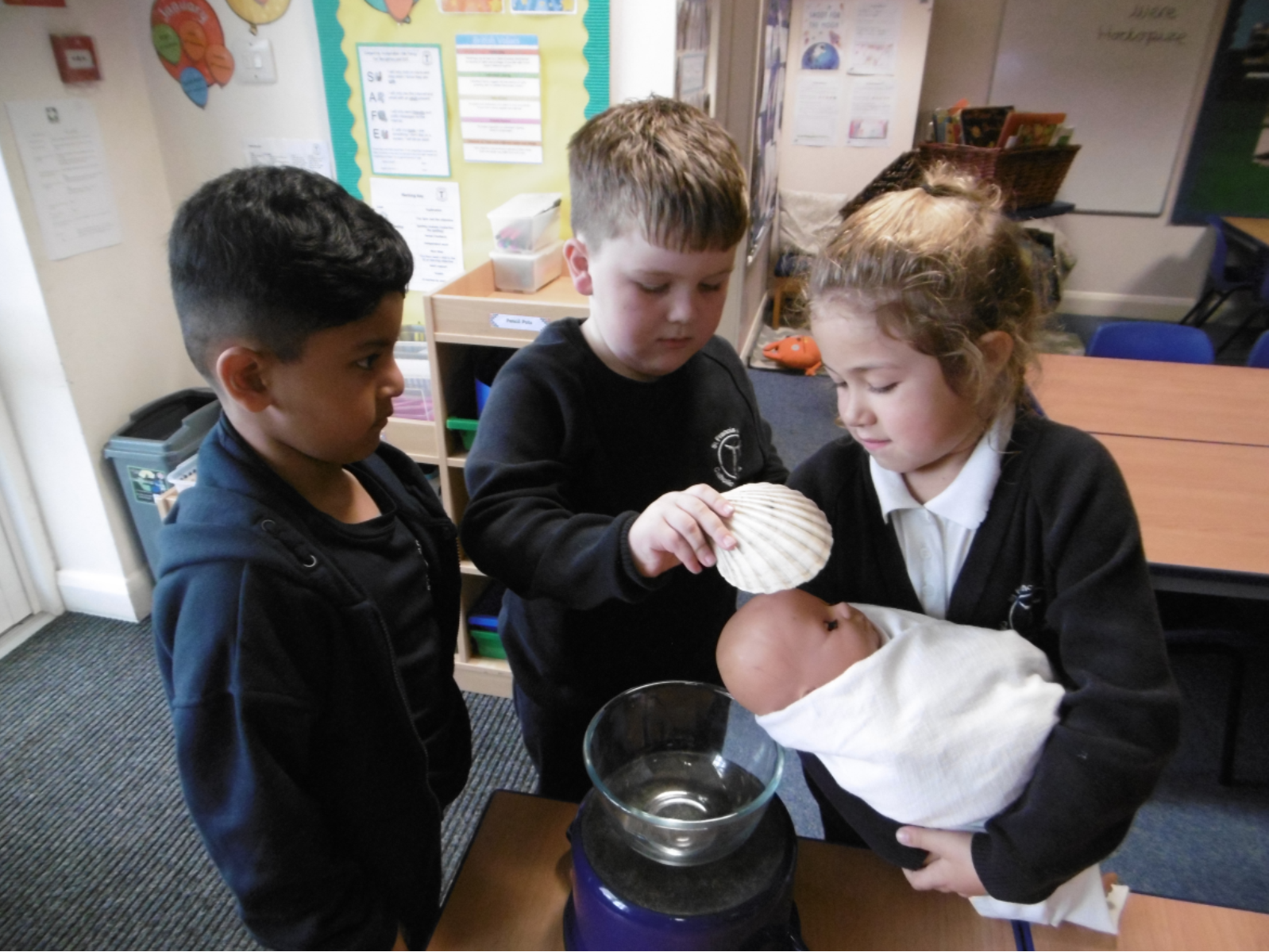
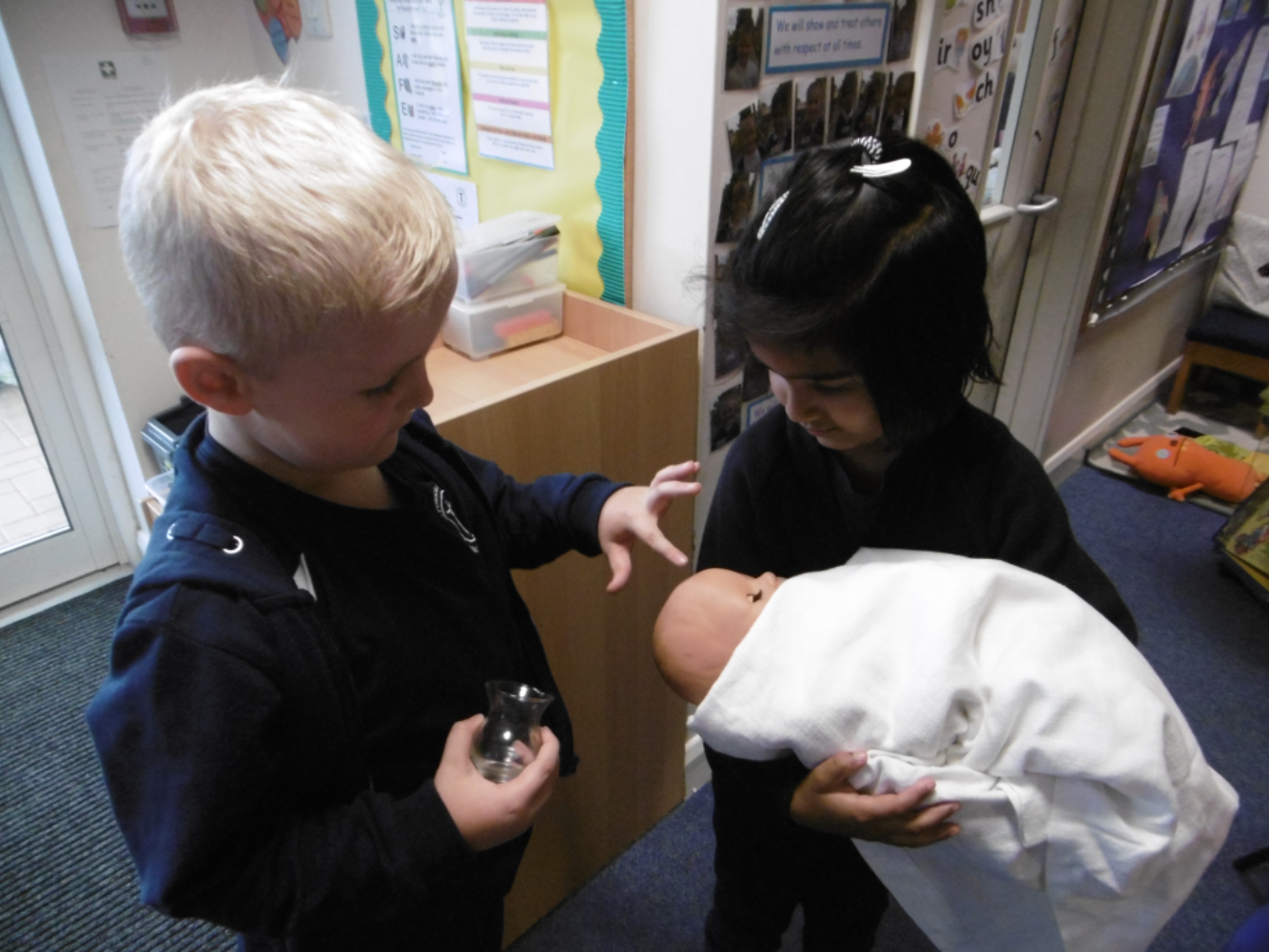
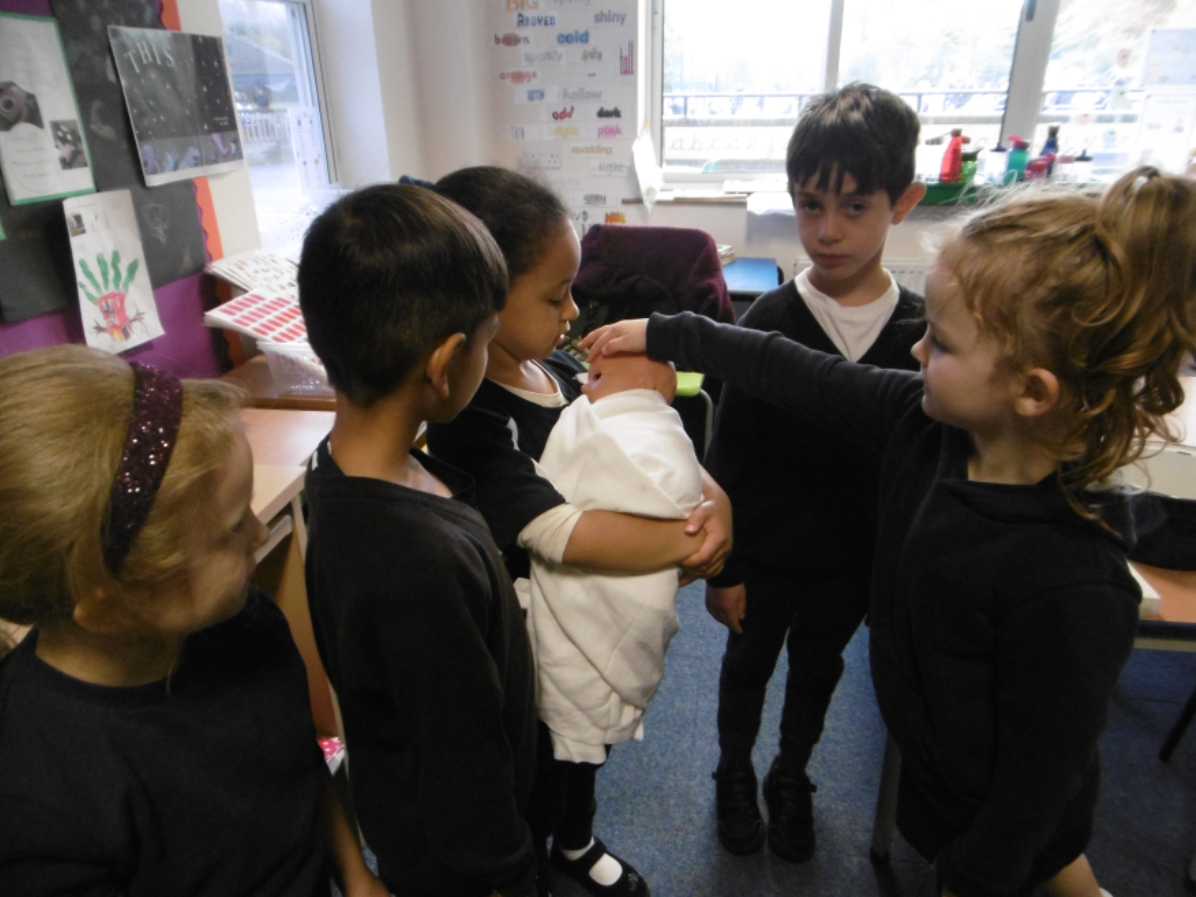
At St Francis of Assisi Catholic Primary School, religious education is primarily based on the Religious Education Directory (RED) “To Know You More Clearly”. In line with the Bishop’s mandate, the RE curriculum is taught through the Diocesan Day by Day resources. We are committed to providing children with rich and varied learning opportunities that will help them to be able to deepen their knowledge and understanding of the Catholic faith.
In recognition of the importance of religious education in our school, we devote 10% of the teaching week to religious education lessons. In Key Stage 1, this is 2 hours 15 minutes and in Key Stage 2 this is 2 hours and 30 minutes, not including Collective Worship.
The Religious Education Directory has a clear framework for learning:
Four Knowledge Lenses: Hear, Believe, Live and Celebrate indicate what should be known by the end of each age phase.
Ways of Knowing: Understand, Discern and Respond are the skills through which children progress and develop their thinking during the curriculum journey.
Expected Outcomes set out for each year group what pupils should be able to know, remember and do.
Curriculum Branches divide the model curriculum into half-term units of study which repeat annually, giving a spiral curriculum which allows children to build progressively on their prior knowledge and develop their understanding year by year.
|
Autumn 1 |
Creation and Covenant |
|
Autumn 2 |
Prophecy and Promise |
|
Spring 1 |
Galilee to Jerusalem |
|
Spring 2 |
Desert to Garden |
|
Summer 1 |
To the Ends of the Earth |
|
Summer 2 |
Dialogue and Encounter |
Multi-faith Programme
Catholic education seeks to form pupils who are well-prepared to play a positive role in society and to follow Jesus’ teaching to “love your neighbour." We therefore embrace learning about other world views with “a willingness… to try to understand better the religion of one’s neighbours, and to experience something of their religious life and culture.” (Catholic Bishops' Conference of England and Wales)
The Religious Education Directory includes a branch called ‘Dialogue and Encounter’ which focusses specifically on exploring other world views and recognising the connections with the Catholic faith. Opportunities for dialogue and encounter are sought throughout the academic year and especially focus on broadening pupils’ experiences and on real-life encounters with those of other faiths or none, to enable connections and develop understanding.
Prayer and worship
Subject Leader: Miss Batchelor
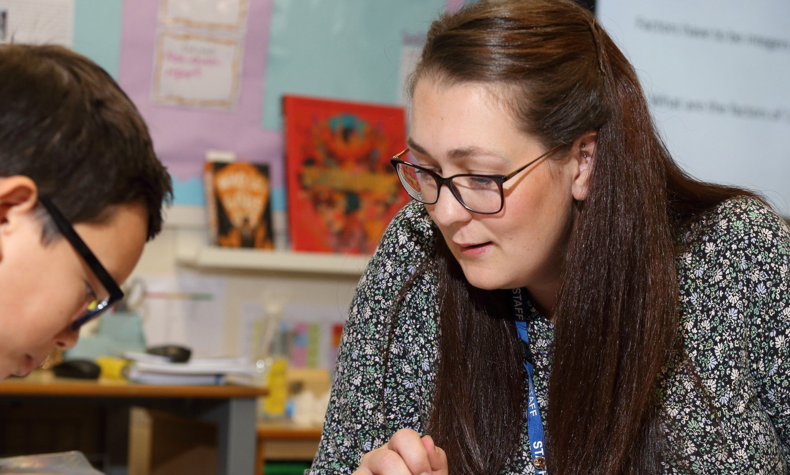
Prayer is an important aspect of our school life. Through prayer, we seek to deepen the children’s relationship with God in a way that is relevant and meaningful to them.
Prayer forms an essential part of all acts of collective worship and liturgical celebrations. Each class has their own prayer table which is a focus for the children’s prayer.
More formal prayers are taught and shared too, such as morning and evening prayers, grace before and after meals. Children are also encouraged to compose their own prayers and to pray spontaneously and peacefully.
We gather together for assemblies and to celebrate the Liturgy on a number of occasions each term. Parents are regularly invited to celebrate Liturgies and assemblies with us.
Through RE lessons, assemblies and liturgies, the children deepen their knowledge and understanding of the scriptures, the church and also develop their moral attitudes.
On certain Holy Days of Obligation and other special occasions, we celebrate the Eucharist as a school. We also celebrate the sacrament of Reconciliation at key times in the year.
Parish and school links
We recognise and acknowledge the importance of partnerships with the home and parish communities to which our children belong. Therefore, we welcome the visits of local clergy and their involvement in the life of the school. We work collaboratively with the Crawley Parish in preparation for the children in Year 3 for the Sacraments of Reconciliation and First Holy Communion.
We promote children’s awareness of the local and wider communities by encouraging them to participate in charitable activities and fund-raising.